Coliving in Madrid
Madrid's coliving scene is growing fast — furnished rooms and shared housing in neighborhoods like Malasaña, Lavapiés, and Chamberí, with flexible stays and coworking built in. A guide to room rentals, costs, and the best spaces for remote workers in Spain's capital.
Why Madrid works for coliving
Madrid doesn’t market itself to nomads the way Barcelona or Lisbon do, and that’s part of its charm. You’re in a real European capital — world-class museums, genuine street culture, a food scene that runs from €2 tapas to Michelin stars — at prices that are genuinely reasonable. The coliving market is smaller than Barcelona’s but growing: Enso, The Social Hub, and several smaller operators offer monthly stays.
The Spanish lifestyle is the real draw. Long lunches, late dinners, parks full of people at 10 PM on a Tuesday — Madrid reminds you that life exists outside your laptop. The timezone works for European and African markets, and with effort, US East Coast overlap.
The remote work scene
Madrid’s coworking scene is professional rather than nomad-oriented. Impact Hub (multiple locations) has the strongest community. Google Campus in the Chamberí area is free and has good events. WeWork has 10+ locations. Smaller independent spaces like LOOM, Utopicus, and La Nave are solid options. Day passes: €15-25, monthly: €200-350.
Cafe working culture is more limited than Barcelona. Madrid cafes are for socializing, not laptops. Some exceptions: Toma Café and HanSo Café in Malasaña, Federal Café, and specialty spots in Chamberí. Libraries (Biblioteca Nacional, local neighborhood libraries) are free and quiet — a good option.
What to watch out for
The summer heat is not a joke. July and August in Madrid feel like standing in front of an open oven. If you’re coming in summer, get an apartment with air conditioning (not all have it) and a coworking membership. Trying to work from a cafe without AC in July is misery.
Madrid’s dining schedule will disrupt your routine. Lunch is 2-3:30 PM, dinner is 9:30-11 PM. Restaurants don’t open for dinner until 8:30-9 PM. Adjust your work schedule around Spanish meal times or eat at home.
The rental market is tight but not as extreme as Barcelona. Idealista is the main platform. Shared flats (pisos compartidos) are the budget option — €400-650/month for a room in a central flat. For furnished one-bedrooms, expect to pay 2 months deposit upfront.
Colivings in Spain
26 colivings with chapters in Spain
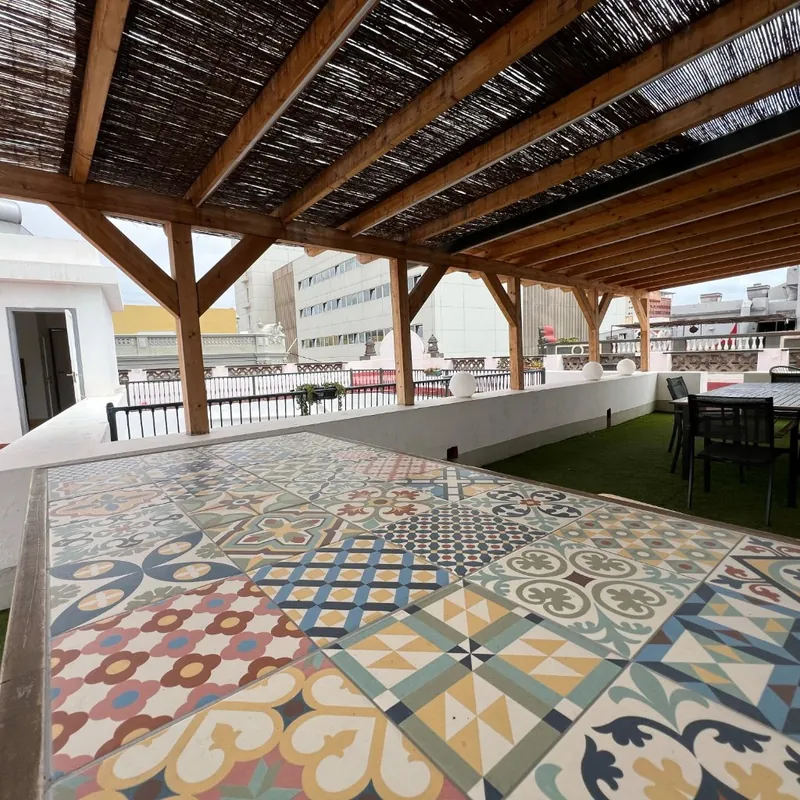
1907 Coliving
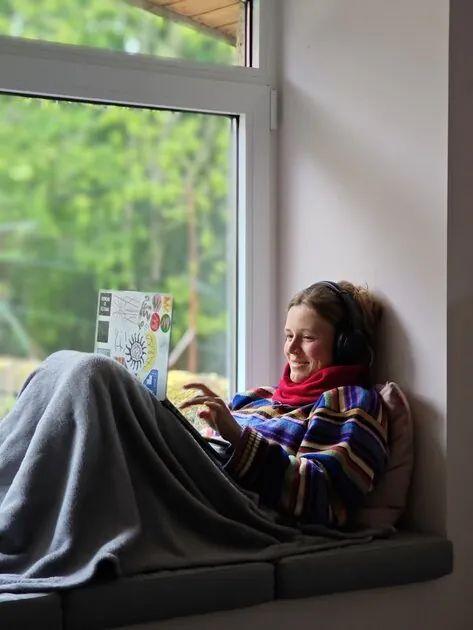
Anceu Coliving

Banama

BelVillage

Bencomo Coliving
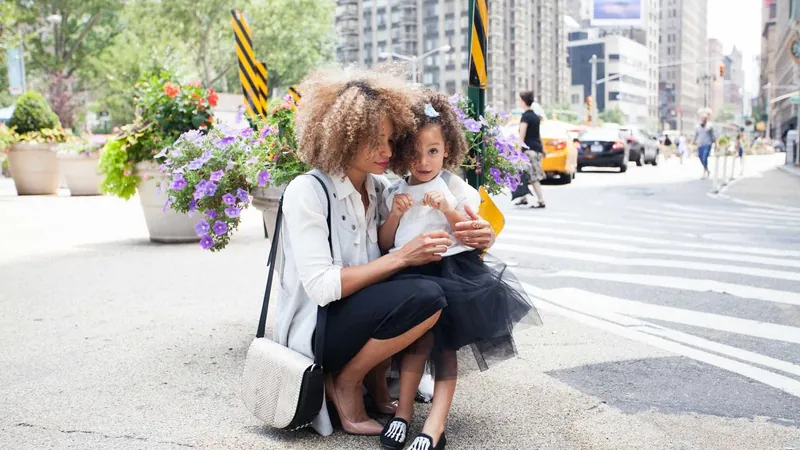
Cactus Coliving
Where to stay in Madrid
Malasaña
Madrid's coolest neighborhood — independent shops, vintage stores, craft cocktail bars, and the best cafe density in the city. Plaza del Dos de Mayo is the social center. Creative and international. Studios from €750/month.
Lavapiés
Madrid's most diverse neighborhood. Indian restaurants next to flamenco tablaos next to Senegalese shops. Cheapest central rents. Grittier and more authentic than tourist areas. Great for street food lovers. Studios from €600/month.
La Latina
Historic neighborhood famous for Sunday Rastro flea market and tapas bars along Calle Cava Baja. Less residential infrastructure for nomads but walkable to everything. Good for short stays. Studios from €700/month.
Chamberí
Quiet residential neighborhood north of the center. Local Spanish families, traditional bars, Mercado de Vallehermoso. Less trendy but more livable long-term. Good value for quality. One-beds from €800/month.
Monthly expenses in Madrid
| Coworking day pass | €15-25 |
| Lunch (menú del día) | €10-14 |
| One-bedroom apartment (center) | €900-1,500/month |
| Coffee | €1.50-2.50 |
| Monthly transit pass (Zone A) | €54.60 |
| Groceries (weekly) | €40-60 |
| Beer (caña) | €2-3.50 |
| SIM card (monthly, 20GB) | €10-15 |
Quick facts
Last verified: April 2026. Prices and availability change — always check with operators directly.
Common Questions
Is Madrid better than Barcelona for digital nomads?
Different strengths. Madrid: cheaper rent, more authentic Spanish culture, better nightlife, stronger corporate job market, hotter summers. Barcelona: beach, more international/English-speaking, better coworking density, milder climate. Madrid is better value; Barcelona has better lifestyle infrastructure for nomads.
How's the nightlife in Madrid?
Legendary. Dinner at 10 PM, bars at midnight, clubs at 2 AM, home at 6 AM — this is standard, not exceptional. Thursday through Saturday the city is alive all night. This is great for social life but terrible for morning productivity. Set boundaries or embrace it.
Do I need Spanish in Madrid?
Much more than in Barcelona. Madrid is a Spanish-speaking city — English is less widespread outside the tech and hospitality sectors. Basic Spanish is needed for renting, shopping, and navigating bureaucracy. The upside: Madrid is one of the best cities in the world to learn Spanish, with clear Castilian pronunciation.
How hot does Madrid get in summer?
40-42°C in July and August is normal. The heat is dry, not humid, but it's still oppressive. Most locals leave the city in August. If you stay: work in air-conditioned coworking spaces, avoid outdoor activities between 1-6 PM, and embrace the Spanish schedule (siesta exists for a reason).
Is Madrid affordable?
For a European capital, yes. Rent is 20-30% cheaper than Barcelona, going out is cheaper (€2 cañas and free tapas still exist), and groceries are reasonable. Budget €1,600-2,200/month for a comfortable nomad life. The Spanish dining culture of menú del día (3-course lunch for €10-14) is your best friend.