Coliving in Barcelona
Barcelona has one of Europe's deepest coliving markets — furnished rooms and shared housing across Eixample, Gracia, and Poblenou, with flexible stays from one month up. A guide to room rentals, costs, and the best spaces for remote workers in Spain's Mediterranean capital.
Why Barcelona works for coliving
Barcelona has everything a nomad wants except cheap rent. The coworking scene is mature (50+ spaces), the internet is fast (fiber widely available), the food ranges from €10 menú del día to Michelin-starred restaurants, and you can swim in the Mediterranean in your lunch break from April to November. The international community is massive — you’ll hear English, French, Italian, and German as much as Spanish or Catalan.
The coliving market is growing fast. Spaces like Enso, Mij, and various smaller operators offer monthly stays with coworking included. This makes sense in Barcelona where renting independently means competing against locals, students, and tourists for limited apartments — and landlords often require 3+ months upfront.
The remote work scene
Barcelona’s coworking ecosystem is one of Europe’s deepest. OneCoWork has multiple locations in Eixample and the Gothic Quarter. Itnig in Poblenou caters to startups. MOB is a creative industry hub. BetaHaus in the Born district is popular for solo freelancers. Day passes run €15-25, monthly memberships €150-300.
Cafe working is embedded in the culture. Federal (multiple locations), Satan’s Coffee Corner, Nomad Coffee, and Onna Coffee are explicitly laptop-friendly. The terrace cafe culture means you can work outdoors much of the year — just bring a screen shade for sunny days.
What to watch out for
Finding an apartment independently is a bloodsport. Idealista listings get 50+ responses in hours. Scams are rampant — never pay before seeing a place in person. Budget 2-4 weeks of temporary housing (coliving or Airbnb) while you search.
Tourism overload hits hard June through September. La Barceloneta beach, Las Ramblas, and the Gothic Quarter are genuinely unpleasant in peak summer. Locals avoid these areas year-round.
Catalan politics and identity matter here. “Barcelona is in Spain” is technically true but culturally simplistic. Making even a minimal effort with Catalan (“bon dia” instead of “buenos días”) goes a long way.
Regulations
This is where it gets spicy. Barcelona’s managed coliving properties grew 900% in five years, and the city’s political response has been… intense. The Catalan Parliament passed a room rental law with price caps in December 2025. The ruling coalition Barcelona en Comu has pushed to prohibit colivings outright. Over 1,100 protestors showed up at anti-coliving demonstrations. One in four coliving beds in Spain is in Barcelona — and not everyone is happy about it.
What this means for you: check that your operator has proper permits before booking. The regulatory environment is shifting fast — spaces that are legal today may face restrictions tomorrow. Established operators with proper licensing are a safer bet than informal setups or brand-new spaces that haven’t navigated the permitting process yet. This isn’t a reason to avoid Barcelona, but it is a reason to do your homework on the specific space you’re considering.
Colivings in Barcelona
3 colivings with chapters in Barcelona

BelVillage
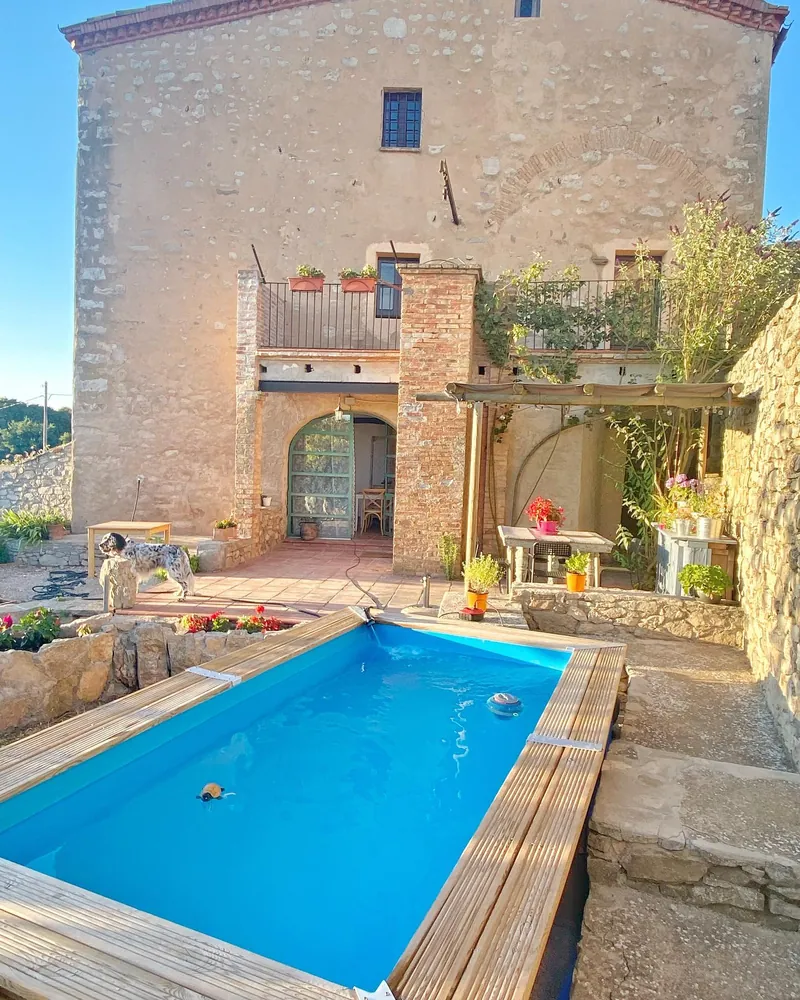
Casa Pardal

Green Living
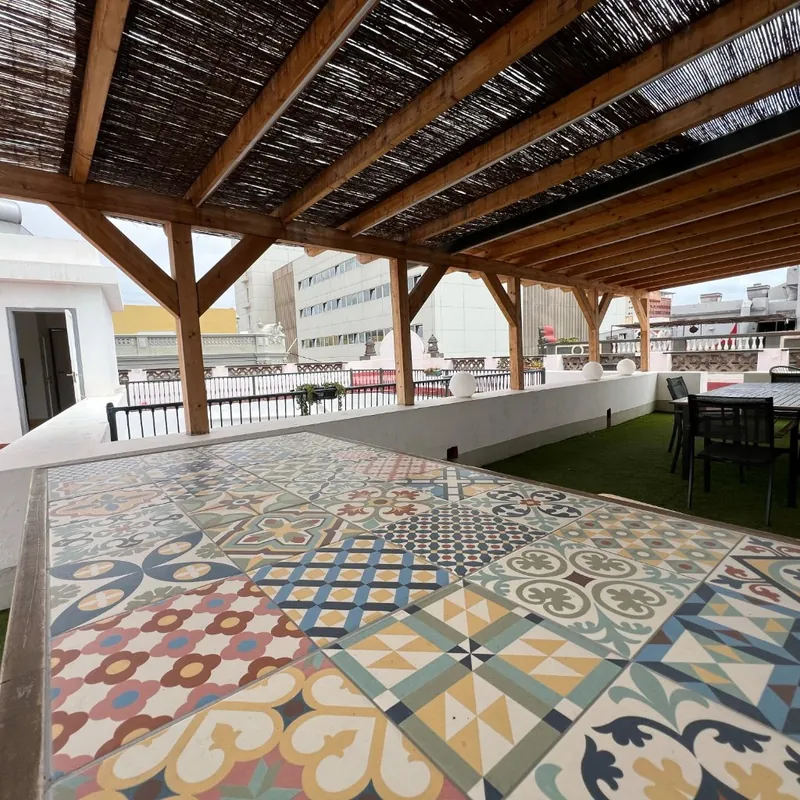
1907 Coliving
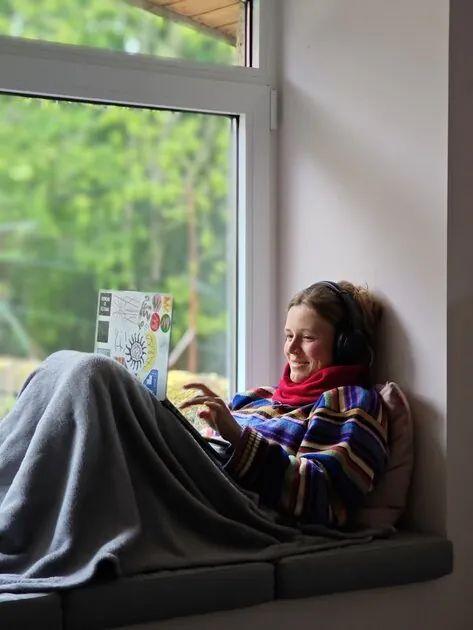
Anceu Coliving

Banama
Where to stay in Barcelona
Gràcia
Village feel in the middle of a city. Plaças filled with terrace bars, independent shops, and a local Catalan vibe that's mostly survived gentrification. Good WiFi cafes. Studios from €800/month — though finding one is competitive.
Read neighborhood guide →Eixample (Esquerra)
Left side of Eixample has the best balance of central location, reasonable rents, and livability. Grid streets, high ceilings, modernist architecture. Most coworking spaces cluster here and in nearby Sant Antoni. One-beds €900-1,400.
Read neighborhood guide →Poblenou
Barcelona's tech district (22@). Former industrial area with converted warehouses, design studios, and the highest density of tech companies. Feels less touristy. Beach nearby. Studios from €850/month. Coworking options include MOB and Itnig.
Read neighborhood guide →Sant Antoni
The neighborhood that blew up. Renovated market at the center, dense bar and restaurant scene, walkable to Raval and Eixample. Popular with international residents. Getting expensive — studios from €900/month.
Monthly expenses in Barcelona
| Coworking day pass | €15-25 |
| Lunch (menú del día) | €10-14 |
| One-bedroom apartment (center) | €1,000-1,600/month |
| Coffee | €1.50-2.50 |
| Monthly transit pass | €40 (T-Usual) |
| Groceries (weekly) | €40-65 |
| Beer (caña) | €2.50-4 |
| SIM card (monthly, 20GB) | €10-15 |
Quick facts
Last verified: April 2026. Prices and availability change — always check with operators directly.
Common Questions
Is Barcelona good for digital nomads?
Excellent. Strong coworking scene, reliable 100+ Mbps fiber internet, walkable neighborhoods, beach, good food, and a large international community. The main downsides are rising rents and pickpocket risk in tourist areas.
How much does coliving in Barcelona cost?
Coliving rooms in Barcelona run €700-1,200/month including bills and coworking. That's competitive with renting a room in a shared flat (€500-800) once you add utilities and a coworking membership. Spaces like Enso Coliving and Mij offer monthly stays.
Do I need a visa to work remotely in Spain?
EU citizens: no. Non-EU: Spain's D8 Digital Nomad Visa lets you stay 1+ year if you earn €3,286/month from outside Spain. For shorter stays (under 90 days), most nationalities enter visa-free on Schengen. Working remotely on a tourist stay is a gray area.
Is Barcelona expensive compared to other Spanish cities?
Yes — it's the most expensive city in Spain for rent. Valencia is 30-40% cheaper, Madrid is similar for rent but cheaper for going out. Tenerife and Málaga are significantly cheaper overall. Barcelona's premium is the beach + culture + infrastructure combination.
What's the pickpocket situation really like?
Real and annoying, mostly on La Rambla, in the Metro, and at the beach. Use a front pocket or cross-body bag, don't leave your laptop visible at cafe terraces, and be aware on the L1/L3 metro lines. It's petty theft, not violent crime — common sense prevents 95% of incidents.