Coliving in Berlin
Berlin's coliving scene thrives on the city's creative energy — furnished rooms and shared housing in Kreuzberg, Neukölln, and Friedrichshain, with flexible stays and coworking. A guide to room rentals, costs, and the best spaces for remote workers in Germany's capital.
Why Berlin works for coliving
Berlin is Europe’s largest coliving market after London. Spaces like Quarters, Vonder, and Home Ground offer monthly stays in furnished rooms with bills, WiFi, and community events included. Prices range from €700-1,300/month — often cheaper than trying to find a private apartment in Berlin’s notoriously tight rental market.
For nomads, Berlin’s draw is the combination of creative energy, tech industry access, and livability. The city is genuinely international — in some Kreuzberg and Neukölln blocks, German is the minority language. The cafe and bar culture is built for long stays (no one rushes you), public transit is excellent, and the cost of going out is still reasonable by Western European standards.
The remote work scene
Berlin has the deepest coworking ecosystem in Germany. Factory Berlin (Mitte and Kreuzberg) is the flagship — 3,000+ members, heavy startup focus. betahaus (Kreuzberg) is the original nomad-friendly space. St. Oberholz on Rosenthaler Platz is the cafe-coworking hybrid that started it all. Rent24, Ahoy, and dozens of smaller spaces fill every niche. Day passes: €15-30, monthly: €150-350.
Cafe culture for working is part of Berlin’s DNA. Bonanza Coffee, The Barn, Five Elephant, and Companion Coffee are all explicitly or implicitly laptop-friendly. Unlike some cities, Berlin cafes rarely enforce laptop bans — the culture tolerates long stays.
What to watch out for
The Anmeldung (address registration) is your first bureaucratic hurdle and a prerequisite for almost everything else — bank account, phone contract, health insurance. Many short-term and coliving addresses don’t provide the Wohnungsgeberbescheinigung (landlord confirmation) you need. Verify this before signing.
Berlin winters are a test of character. November through February is cold (0 to -5°C), gray, and dark. The city empties of fair-weather nomads, but the ones who stay find a different, more intimate Berlin — sauna culture, club nights, cozy Kneipe bars, and proper Weihnachtsmarkt markets in December.
Cash is still surprisingly common. Many restaurants, bars, and smaller shops don’t accept cards (or accept them reluctantly). Always carry €30-50.
Regulations
Berlin’s regulatory landscape is tightening. Minimum unit sizes are mandated for new builds, and tenancy protections keep expanding — the Mietpreisbremse (rent brake) caps what landlords can charge. The Zweckentfremdungsverbot (ban on misuse of residential space) targets short-term rentals and can affect coliving operators running informal setups without proper licensing.
The good news: long-term coliving operators with the right paperwork operate normally. And here’s the thing — Berlin’s tenant protections actually work in your favor as a coliving resident. Once you sign a contract, you have strong rights. The market is maturing with institutional players entering the space (The Social Hub being the most visible after Quarters collapsed). For booking: stick with established operators who can clearly explain their licensing status. Informal “coliving” setups in regular apartments may be operating in a legal grey area.
Colivings in Germany
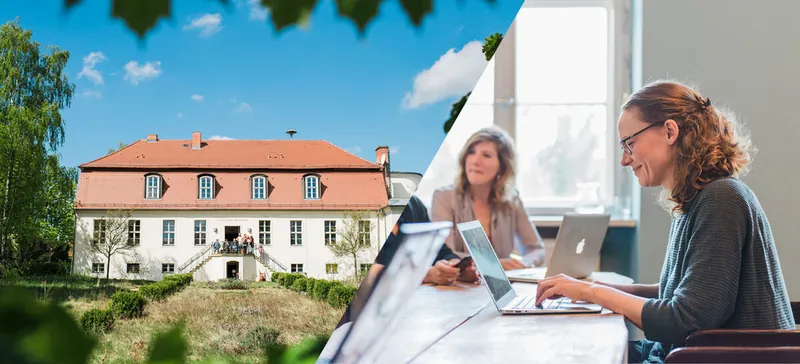
1 coliving with chapters in Germany
Where to stay in Berlin
Kreuzberg
Berlin's most diverse neighborhood. Turkish markets, techno clubs, canal-side bars, and a disproportionate number of startups. SO36 (east Kreuzberg) is grittier and cheaper; Bergmannkiez (west) is more settled. Studios from €650/month — if you can find one.
Read neighborhood guide →Neukölln
Kreuzberg's southern neighbor, similarly diverse but rougher around the edges. Rapidly gentrifying — Weserstraße is now lined with specialty coffee and natural wine bars. The cheapest inner-city option for rent. Studios from €550/month.
Read neighborhood guide →Friedrichshain
East Berlin energy — RAW Gelände compound, East Side Gallery, late-night culture. Popular with younger nomads. Good transport connections. Karl-Marx-Allee architecture is brutalist and fascinating. Studios from €600/month.
Prenzlauer Berg
The 'grown-up' choice. Beautiful Altbau buildings, tree-lined streets, excellent brunch scene, family-friendly. More expensive and quieter than Kreuzberg. Good for focused work. Studios from €750/month.
More neighborhood guides:
Monthly expenses in Berlin
| Coworking day pass | €15-30 |
| Lunch (Mittagstisch) | €8-14 |
| One-bedroom apartment (center) | €800-1,400/month |
| Coffee | €3-4.50 |
| Monthly transit pass (AB zone) | €58 (Berlin AB Abo) |
| Groceries (weekly) | €35-60 |
| Beer (0.5L) | €3.50-5 |
| SIM card (monthly, unlimited) | €8-15 |
Quick facts
Last verified: April 2026. Prices and availability change — always check with operators directly.
Common Questions
Is Berlin affordable for digital nomads?
By major European capital standards, yes — still significantly cheaper than London, Paris, or Amsterdam. But Berlin rents have increased 50-70% since 2019. Budget €1,800-2,500/month for a comfortable nomad life. The cheap Berlin reputation is outdated but it's still good value for what you get.
How hard is it to find an apartment in Berlin?
Extremely hard. Berlin's rental market is one of the tightest in Europe. Expect 100+ applicants per listing on Immobilienscout24. For nomads, coliving or a furnished WG (shared flat) room via WG-Gesucht is more realistic. Or start with a month-to-month coliving space while you search.
Do I need to speak German in Berlin?
For daily life in the nomad-friendly neighborhoods (Kreuzberg, Neukölln, Friedrichshain), no. Berlin's tech and creative scenes operate in English. For dealing with the Bürgeramt (citizens' office), landlords, and official paperwork, German helps enormously. The bureaucracy does not flex for English speakers.
What's Berlin's startup and tech scene like?
Largest in continental Europe. Companies like N26, Delivery Hero, Zalando, and SoundCloud are Berlin-based. The startup ecosystem is concentrated in Mitte, Kreuzberg, and Friedrichshain. Networking events run multiple times per week. If you're in tech, Berlin is arguably the best EU city for professional opportunities.
Is Berlin's internet fast enough for remote work?
Yes, in most areas. Residential fiber (50-200 Mbps) is available from Deutsche Telekom, Vodafone, and others. Coworking spaces offer 100+ Mbps. Germany's internet infrastructure has historically lagged, but Berlin has caught up. Mobile data is expensive by European standards.